All posts · page 7

R&D Capitalization Is Here To Stay...
At Neo.Tax, we’ve been preparing for months for the eventuality that Congress wouldn't strike a deal to end R&D Capitalization. We view it as our duty to make taxes work for innovative companies, so we’re proud to say that Neo.Tax has the only software solution that can cover all aspects of R&D tax strategy: from credits to amortization, and everything in between.

A Poem About a Tax Time Bomb
The most unpopular tax time bomb just went off... what can you do about it?

How Does the U.S. R&D Policy Stack Up With The World?
During the rollout of his signature corporate tax cut, the Tax Cut and Jobs Act of 2017, President Donald Trump argued that his plan would stop U.S. companies from offshoring their work overseas. But according to Reuters, it failed to curtail the flow of American jobs abroad…

What Do the Midterm Elections Mean for R&D Capitalization?
Every pollster and cable news talkinghead predicted a Red Wave: the Republicans would take back the House and the Senate—the only question was by how wide a margin. But then, Election Day came, and the Democrats outperformed both expectations and the historical…

Inflation is Wreaking Havoc on Startups' Runway
We’ve heard the stresses of the current inflationary moment explained in a lot of ways—through the rise in gas prices, the cost of Thanksgiving dinner, and the exorbitant increase in mortgage rates—but a recent LinkedIn post by Tomasz Tunguz framed it in a way every founder should pay attention to…

R&D Capitalization is a Big Forkin' Deal—Megacorporations are Planning For It; So Should You
As Q3 earnings reports emerge, a new reality is coming into focus. Meta’s disappointing projections sent the social media giant’s share price to free fall, which captured most of the headlines. Analysts focused on runaway spending and the hit to their ad business, but there is another factor which Meta was already focused on as early…

The Founder's Guide to R&D Capitalization
Just like every other startup, we had our fingers crossed that Congress would come together to undo the new R&D Capitalization rules before they take effect next tax year. But, unfortunately, it seems as though the new reality is here to stay (at least for now). We built Neo.Tax to...

Neo.Tax Announces a Partnership with Bench
Neo.Tax is now the primary service provider for Bench's R&D tax credit clients! Our goal at Neo.Tax is to make sure every innovative startup receives the money they’re owed. More than $12 billion worth of R&D tax credits were claimed in 2014, but a significant portion of that money went...

R&D Capitalization Has Arrived (For Now)—Here's What You Need To Know
You didn’t found your company because you always dreamed of navigating a constantly shifting tax landscape—but that doesn’t mean you get to ignore it. So, here’s an R&D Capitalization cheatsheet from your tax wonk friends at Neo.Tax.… So, uh, what do Amortization and Capitalization Mean? Fair question! Capitalization can be...

“Why” Are R&D Taxes Changing? New Capitalization Rules Hurt Innovative Startups Most Of All
Tax law is rarely popular, especially with both sides of the aisle. But the R&D tax credit has done the unthinkable: change the tax code to appeal to everyone, by incentivizing innovation within the United States. Every 1-2 years since it was created in 1981, the R&D tax credit has...
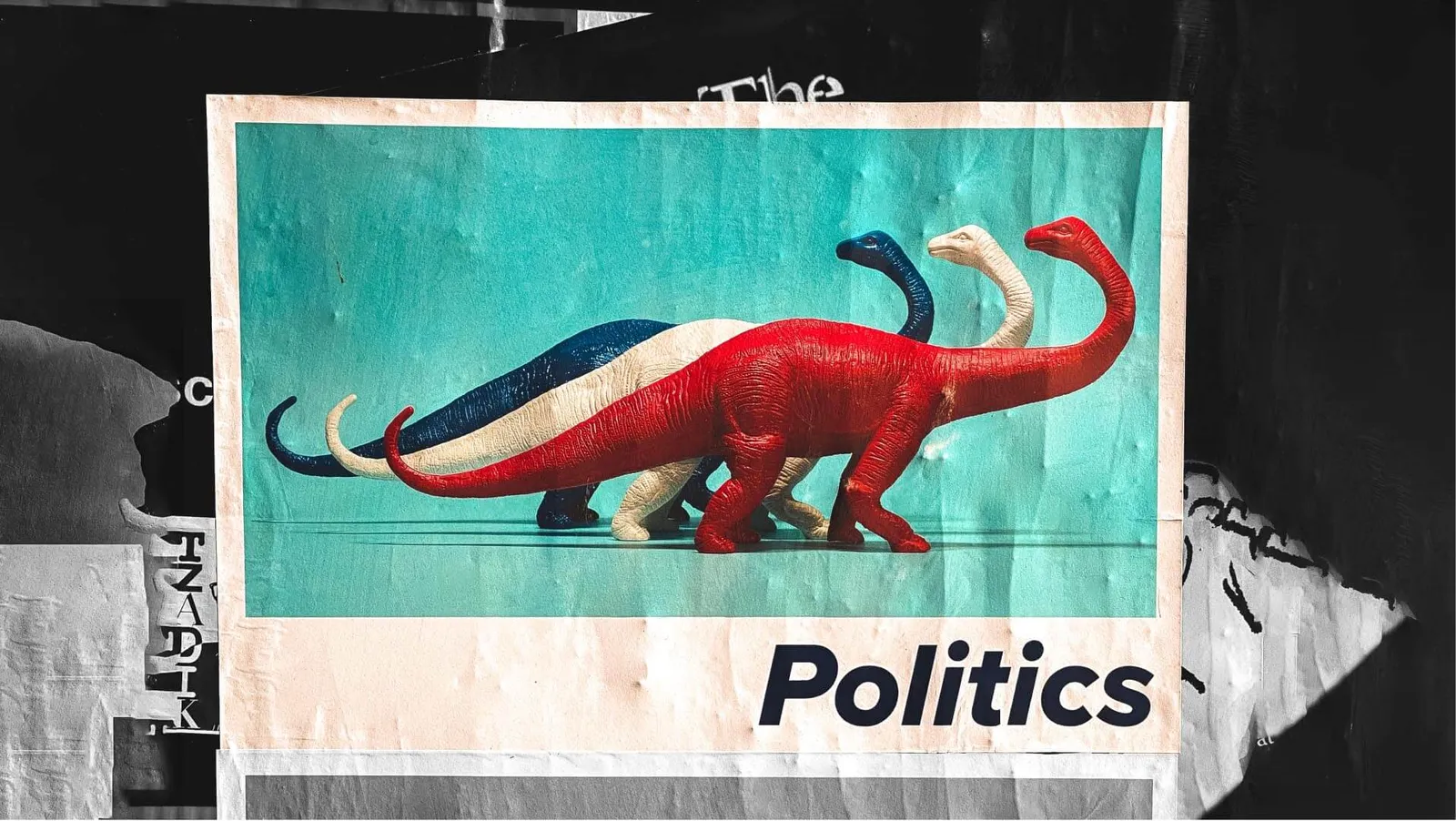
Why These Tax Changes? It's All Politics
when congress extended r&d credits to startups in 2016, a deal had to be struck. a bargain that had to counterbalance the giving of money to startups, with some way of recouping that money (or more) via taxes. “ok fine, we’ll give startups up to $250k for their investments in product development, but...

New Tax Changes are Double-Edged for Startups
we’ll give you the bad news first startups can no longer deduct (aka subtract) r&d expenses from revenue. for software or product development costs, you now have to capitalize (aka spread them out) over 5 years if they’re domestic, and over 15 years if they’re foreign (aka offshore). because of something called...